The title basically sums it up. I'm at the house in Pennsylvania and it's quite nice. We have the dining room set up to serve the purposes of a dining room, library and bar. It's almost perfect, but we need a better table. I plan on posting some pictures soon.
Yesterday was Edgar Allan Poe's 204th birthday and I didn't post about it because I am infinitely naughty. I did spend the time working on writing a Horror story and drinking gin. I was too sleepy to bust into the absinthe, but that may well happen tonight.
Showing posts with label victorian. Show all posts
Showing posts with label victorian. Show all posts
Sunday, January 20, 2013

Tuesday, December 11, 2012
Interesting links: Auditory hallucinations, autopsies and Victorian death rituals
This is an interesting video that simulates the experience of auditory hallucinations. When I've had auditory hallucinations it was quite like this, but usually I can't understand what the voices are saying.
A guide for writing autopsies
I so far don't have a use for that link, but I find this quite interesting.
Morbid Anatomy
Morbid Outlook's article "Funerary Practices in the Victorian Era"
Victorian Funeral Customs and Superstitions
Friday, February 3, 2012
Dr. Jekyll, Mr. Hyde and the Victorian Class Perception Extravaganza
I lied...there is no extravaganza here, but there is an essay on Victorian class perception as viewed through Literature so just try to enjoy it. Last year I took a class that covered Victorian Gothic novels and this is one of my essays from that class. Disregard page numbers and acquire a copy of The Strange Case of Dr. Jekyll and Mr. Hyde online if you are interested. I don't remember the edition that the following page numbers are from.
Also, I've been reading On Writing Horror: A Handbook by the Horror Writer's Association and this has made me think about taking old horror-inducing scenarios and reinventing them. Horror is basically a building of anxieties and the Victorian middle class had a lot of anxiety about defining itself into a position in proper society. Basically through defining the classes by strict stratification Victorians felt that they could look at someone and judge their character, mental health, and sexual proclivities upon sight. Before the emergence of the middle class the main concern in England was nobility vs not nobility, but since that new middle class didn't have pedigrees they inscribed identity in the human body and outward expression itself to know who properly belonged to the middle class.
You'd be naive to think that these snap judgments don't exist in the real world on such a scale in this progressive year...or maybe you just aren't strange-looking enough to have experienced it first-hand. I'm of the belief that the Victorian era wrapped its bony white-gloved hands firmly around society and has refused to let go since its inception.

see more Historic LOL
Or maybe that was tentacles that it wrapped around society... Anyway, there are a lot of attempts to get people to stop judging others by how they look. In fact you should check out the movie Tucker and Dale vs Evil to see this concept, along with a lot of slasher movie staples, really twisted about.
Onward to the academic paper:
"Class Portrayal and Societal Anxiety in The Strange Case of Dr. Jekyll and Mr. Hyde"
by J.Lannan
In Late Victorian Gothic novels interest was given to the theme of degeneration of society and character. This theme played out in a variety of ways, but in “Dr. Jekyll and Mr. Hyde” the theme was most curiously portrayed through an upper class anxiety directed towards the lower classes. This anxiety comes to a point in the chapter entitled, “The Carew Murder Case,” where Mr. Edward Hyde carries out a vicious unprovoked attack on Sir Danvers Carew. Hyde’s disregard for what is proper behavior, unprovoked violence and the ways in which Hyde is described when compared to other characters are all representative of Victorian society’s distrust and fear of the lower class, along with a general discomfort in the loss of order and proper behavior in society.
The maid who viewed the attack from her window described Mr. Carew and Hyde in different styles. While describing Carew she focused on him as “. . .an aged beautiful gentleman with white hair. . .” (59). This attention to detail in Carew’s style and mannerisms indicates that the maid paid more attention to him because he appeared to be of some status. Hyde is often described as small, and less noticeable, but when they do notice him they generally dislike him. The maid relays to the police officer that the attacker is ‘Particularly small and particularly wicked-looking. . .’ (61)
Hyde challenged the ideals of Victorian society with his general bad manners and poor disposition, even before he turned to unrestrained violence. Upon Hyde’s exchange in the street before the attack he is rude, impatient and angry. The maid described Carew’s manners as “innocent an old-world kindness of disposition, yet with something high too, as of a well-founded self-content.”(60) Earlier in this passage it is implied that Carew made a request of Hyde, possibly asking for directions, and Hyde reacted in a fit of anger and unrestrained rage. Hyde is described as an animal at times, and is often depicted as ape-like in behavior, for example, “with ape-like fury. he was trampling his victim under foot and hailing down a storm of blows. . .”(60)
The violence of Hyde towards Carew is an attack on the upper class and upon the constructs of society. The murder is especially horrifying in its unprovoked nature and in the irrationality of the act. It was a violent act brought on by rage and nothing more. The crime was not a robbery, which at least would offer some explanation, but everything of value was left on Carew’s body; “A purse and a gold watch were found upon the victim. . . .”(61) This crime was also not about revenge of any sort, which could provide some sort of rationale for the bludgeoning.
Crime itself is representative of a less civilized society, and these were precisely the dregs that Victorian properness attempted to hide. This murder scene is a representation of an interaction of a lower class character with an upper class character where the lower class person is in a non-servile position. The maids and butlers of the story are all providing a service to their employers, while Hyde is his own man. Dr. Jekyll has provided Hyde, and himself as he is Hyde, with money and opportunity to roam unrestrained by polite society. Dr. Jekyll cannot indulge in rude, violent or self-gratifying behaviors as himself, so becoming Hyde allows him to explore these urges that challenge society and every construct that he would typically be held to because he was a member of the upper class. Hyde has a lot of freedom and unrestrained emotional energy and this freedom from society and proper behavior translated into violence and disregard for the world.
Hyde is free from the restraints of polite society and is not represented in a servile position except for when he runs errands for his alter ego, Dr. Jekyll. The representation of Hyde as a lower class man who is not restricted by proper behavior and not serving the upper class can create a certain anxiety in the wealthy characters because they do not have control over him. Hyde’s rudeness and violence show a general disregard for everything that upper class Victorians held dear in the constructed society and bonds of properness that the society enforced. The lower class did not care as much for these mannerisms and were not as compelled to hold to the etiquette of upper society.
Also, I've been reading On Writing Horror: A Handbook by the Horror Writer's Association and this has made me think about taking old horror-inducing scenarios and reinventing them. Horror is basically a building of anxieties and the Victorian middle class had a lot of anxiety about defining itself into a position in proper society. Basically through defining the classes by strict stratification Victorians felt that they could look at someone and judge their character, mental health, and sexual proclivities upon sight. Before the emergence of the middle class the main concern in England was nobility vs not nobility, but since that new middle class didn't have pedigrees they inscribed identity in the human body and outward expression itself to know who properly belonged to the middle class.
You'd be naive to think that these snap judgments don't exist in the real world on such a scale in this progressive year...or maybe you just aren't strange-looking enough to have experienced it first-hand. I'm of the belief that the Victorian era wrapped its bony white-gloved hands firmly around society and has refused to let go since its inception.
see more Historic LOL
Onward to the academic paper:
"Class Portrayal and Societal Anxiety in The Strange Case of Dr. Jekyll and Mr. Hyde"
by J.Lannan
In Late Victorian Gothic novels interest was given to the theme of degeneration of society and character. This theme played out in a variety of ways, but in “Dr. Jekyll and Mr. Hyde” the theme was most curiously portrayed through an upper class anxiety directed towards the lower classes. This anxiety comes to a point in the chapter entitled, “The Carew Murder Case,” where Mr. Edward Hyde carries out a vicious unprovoked attack on Sir Danvers Carew. Hyde’s disregard for what is proper behavior, unprovoked violence and the ways in which Hyde is described when compared to other characters are all representative of Victorian society’s distrust and fear of the lower class, along with a general discomfort in the loss of order and proper behavior in society.
The maid who viewed the attack from her window described Mr. Carew and Hyde in different styles. While describing Carew she focused on him as “. . .an aged beautiful gentleman with white hair. . .” (59). This attention to detail in Carew’s style and mannerisms indicates that the maid paid more attention to him because he appeared to be of some status. Hyde is often described as small, and less noticeable, but when they do notice him they generally dislike him. The maid relays to the police officer that the attacker is ‘Particularly small and particularly wicked-looking. . .’ (61)
Hyde challenged the ideals of Victorian society with his general bad manners and poor disposition, even before he turned to unrestrained violence. Upon Hyde’s exchange in the street before the attack he is rude, impatient and angry. The maid described Carew’s manners as “innocent an old-world kindness of disposition, yet with something high too, as of a well-founded self-content.”(60) Earlier in this passage it is implied that Carew made a request of Hyde, possibly asking for directions, and Hyde reacted in a fit of anger and unrestrained rage. Hyde is described as an animal at times, and is often depicted as ape-like in behavior, for example, “with ape-like fury. he was trampling his victim under foot and hailing down a storm of blows. . .”(60)
The violence of Hyde towards Carew is an attack on the upper class and upon the constructs of society. The murder is especially horrifying in its unprovoked nature and in the irrationality of the act. It was a violent act brought on by rage and nothing more. The crime was not a robbery, which at least would offer some explanation, but everything of value was left on Carew’s body; “A purse and a gold watch were found upon the victim. . . .”(61) This crime was also not about revenge of any sort, which could provide some sort of rationale for the bludgeoning.
Crime itself is representative of a less civilized society, and these were precisely the dregs that Victorian properness attempted to hide. This murder scene is a representation of an interaction of a lower class character with an upper class character where the lower class person is in a non-servile position. The maids and butlers of the story are all providing a service to their employers, while Hyde is his own man. Dr. Jekyll has provided Hyde, and himself as he is Hyde, with money and opportunity to roam unrestrained by polite society. Dr. Jekyll cannot indulge in rude, violent or self-gratifying behaviors as himself, so becoming Hyde allows him to explore these urges that challenge society and every construct that he would typically be held to because he was a member of the upper class. Hyde has a lot of freedom and unrestrained emotional energy and this freedom from society and proper behavior translated into violence and disregard for the world.
Hyde is free from the restraints of polite society and is not represented in a servile position except for when he runs errands for his alter ego, Dr. Jekyll. The representation of Hyde as a lower class man who is not restricted by proper behavior and not serving the upper class can create a certain anxiety in the wealthy characters because they do not have control over him. Hyde’s rudeness and violence show a general disregard for everything that upper class Victorians held dear in the constructed society and bonds of properness that the society enforced. The lower class did not care as much for these mannerisms and were not as compelled to hold to the etiquette of upper society.
Tuesday, January 31, 2012
Jehovah's Witnesses, Funeral Biscuits and the Sandworm
As had been expected my Nana passed away on Friday evening. Here is her obituary. On Thursday when she looked pretty bad I made a prediction that the Jehovah's Witnesses that I can't seem to break up with would stop by that day because they usually show up on Thursdays, I hadn't seen them in a while and they ALWAYS stop by to read scripture when I'm incredibly stressed out. And their readings are always applicable to that day. It's eerie.
Saturday morning...there they were. And their scripture reading was about predicting the future. I kid you not.
So, I smiled nervously as they did their reading, handed me their little magazines and went on their way.
In addition to that strangeness I have been researching Victorian funeral customs and I really like the idea of funeral biscuits. And I discovered why opening an umbrella while in a home is considered bad luck-"Dropping an umbrella on the floor or opening one in the house means that there will be a murder in the house." That was from the Friends of Oak Grove Cemetery's post about Victorian funeral customs, superstitions and fears.
I'm debating if I'm still in shock over the death of my Nana because it seems surreal as to how fast it happened, but I think I accepted it so readily because she was always an active person and I don't think she would have wanted to hold onto life in a nursing home while in pain from an illness that was taking over from the inside. It's unfair, it's horrific and I never got a chance to say goodbye because she was unresponsive so quickly...but life can be disappointing and doesn't always go as planned. You could drive yourself crazy trying to get a firm hold on the things you cannot control, or you can just let go and see what happens.
And now I have this mental image of that sandworm from the Beetlejuice movie stuck in my head...
I guess if a sandworm is what we're all going to encounter on the other side I suggest you punch it in the nose...
like a shark, or an uppity dolphin
Saturday morning...there they were. And their scripture reading was about predicting the future. I kid you not.
So, I smiled nervously as they did their reading, handed me their little magazines and went on their way.
In addition to that strangeness I have been researching Victorian funeral customs and I really like the idea of funeral biscuits. And I discovered why opening an umbrella while in a home is considered bad luck-"Dropping an umbrella on the floor or opening one in the house means that there will be a murder in the house." That was from the Friends of Oak Grove Cemetery's post about Victorian funeral customs, superstitions and fears.
I'm debating if I'm still in shock over the death of my Nana because it seems surreal as to how fast it happened, but I think I accepted it so readily because she was always an active person and I don't think she would have wanted to hold onto life in a nursing home while in pain from an illness that was taking over from the inside. It's unfair, it's horrific and I never got a chance to say goodbye because she was unresponsive so quickly...but life can be disappointing and doesn't always go as planned. You could drive yourself crazy trying to get a firm hold on the things you cannot control, or you can just let go and see what happens.
And now I have this mental image of that sandworm from the Beetlejuice movie stuck in my head...
I guess if a sandworm is what we're all going to encounter on the other side I suggest you punch it in the nose...
like a shark, or an uppity dolphin
Monday, June 13, 2011
Self-Love Victorian Style
Self-Love Victorian Style
I've been working on a research project this quarter involving normative Victorian views on masculinity (and especially how these ideals are subverted in Oscar Wilde's The Picture of Dorian Gray). In my research I have come across an interesting book entitled "Talk on the Wilde Side" by Ed Cohen. I was especially drawn to the chapter entitled "Taking Sex in Hand: Inscribing Masturbation and the Construction of Normative Masculinity." This isn't my first rodeo when it comes to odd Victorian health topics and I knew Victorians were pretty uptight about sex (even though some argue that the existence of a discourse on the subject shows an increase in openness), but I had not read about the reasoning for their opposition and fear of masturbation. The whole topic of health in the Victorian era always appears curious to me since the sanitation problems in the cities were rather abysmal. I guess they focused on what they thought they could control...like stopping young men from touching themselves. This was a rather proper-sounding posting, but from now on this piece will be interspersed with inappropriate euphemisms from the World Wide Wank.
Think of England--but not if you find England to be particularly sexy...
"Lie back and think of England" was a quote sometimes credited to Queen Victoria, but it was apparently part of the advice given to young brides when it can to the sexual desires of their husbands. Women were not supposed to enjoy sex as their great pleasures were supposed to come from having children and working in the home. Men, however, had sexual urges that apparently required the invention of table skirts to protect the modesty of especially attractive pieces of furniture from unwanted advances (this is according to a show I watched on the History Channel several years ago).
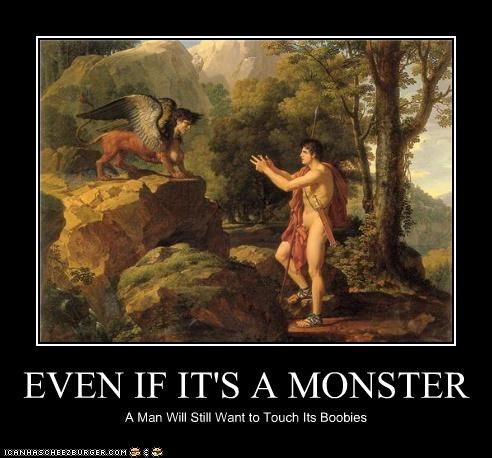
There was a double standard in existence though as the virginity of upper and middle class women was to be protected, but single and married men could expend their additional sexual energy on prostitutes from the lower classes, but not upon women from their own social standing. The practice of men purchasing services from prostitutes was generally allowed in society, but led to the spread of venereal diseases that probably didn't go over too well with their supposedly faithful wives. During the late Victorian era "Chastity Leagues" formed with the intent of men also pledging their chastity until marriage and promising their fidelity once married. The Criminal Law Amendment Act 1885 protected women and girls further, but extended sodomy laws to criminalize any sexual contact between men even if everyone involved consented. Girl-on-girl action was excluded from this set of laws because women were not supposed to have sexual desire, and in a quote that I've heard was attributed to Queen Victoria, "Women would not do that sort of thing."
"Every Sperm is Sacred"
I know that Monty Python song isn't exactly from a satire of this time period, but that was the thought. Sperm should be used for reproduction, not entertainment purposes, and it should be used for the Empire! The mantra of the Victorian era was "self-control" and getting in touch with your manhood was not self-control. Young men were the future of their class and Empire, so wasting anything that could be used in reproduction was akin to the guy saying, "I hate the Empire." The middle-class had additional issues with their sons' reproductive abilities since they were a group formed upon their financial distinction from the poor, but not defined by blood as the aristocracy was. This meant that the middle-class sought to establish itself by creating their children in the appropriate image of their values of Christianity, industriousness and self-control.
In addition to religious, imperial and parental control over young men's interactions with their own bodies there were additional pressures from school and doctors. Schools encouraged lots of sporting activities that were meant to exhaust students so much that they wouldn't think of playing the organ. Victorians were big into the concept that how you looked on the outside was a representation of how your mind and soul were on the inside. This is why The Picture of Dorian Gray was such a scary book. Dorian did naughty things, but looked fantastically handsome and healthy. Also Dr. Jekyll and Mr. Hyde shows this concept as well, since Mr. Hyde is representative of a lack of self-control and indulgence in violence he appears as a nearly animalistic figure (he's also considered obviously lower-class...but we won't talk about that right now).
So, charming the one-eyed trouser snake shows no self-control, a hatred of the Empire, a disrespect to family and disregard for class perpetuation. You're basically committing treason by this point. So a sense of shame should follow one around at all times, but what did the doctors have to say about it?
One a side note: It seems that visiting a lady of the evening was more acceptable than buggering your hand because at least there was a lady involved and the young man was being kind of productive... plus, everyone loves the pox, right?
You'll go blind--or end up mentally deranged
Self-abuse was the term coined to talk politely about going on a date with Mrs. Palmer and her five slut daughters and the possible medical complications of such activities. A self-abuser was viewed as mentally deficient, lazy, self-centered, and heading for a derangement as well as other physical ailments. So basically if you knew a lazy young adult who was apathetic and uninterested in perpetuating his Empire...or maybe he just preferred Art or Literature over physical fitness... yes, you guessed it, he's probably spending too much time getting his palm red. Although, there was never an appropriate level of that activity because it was tough to turn around a guy who was playing tug-of-war with the cyclops. Everyone around him must try to help him realize his errors though because eventually he may be more than lazy and apathetic; he could end up with just about any ailment you could ever have--not just carpel tunnel-- and he may spiral into a debilitating mental derangement. Victorians apparently thought Insane Asylums were the place for people who had trouble keeping their hands off themselves.
Not only mental illness and physical illness could be caused by this selfish sex act, but it could apparently KILL YOU!
A fun French picture book showing the degradation of a young man who spent too much time decongesting the snorkel...
Click for depraved pictures, or what passed for depraved in 1830

Look at that guy...unhealthy soul, unhealthy body, apparently... I'm still trying to figure out how you lose your teeth and cough up blood from wanking. I guess I can kind of understand the whole not being able to walk and red eyes...maybe. He was obviously playing too rough and has poor aim.
Anyway, since Victorian women apparently had no sex drive they didn't touch themselves and therefore did not have their own madness related to having a clam bake for one, but apparently just about anything else could drive a woman to madness (probably because she wasn't supposed to be doing those previously unmentionable things), but if her madness was self-abuse related, then, no one really talked about it like this because sexual desire was not supposed to be part of the proper feminine nature. Although, Victorian doctors had a cure for that hysteria...hysterical paroxysm. Yeah, the doctor's office was the best chance for an orgasm. Of course that was treated as a disorder, but I'll just share this article to pick up where I left off: Vibrators and Clitoridectomies: How Victorian Doctors Took Control of Women's Orgasms.
I've been working on a research project this quarter involving normative Victorian views on masculinity (and especially how these ideals are subverted in Oscar Wilde's The Picture of Dorian Gray). In my research I have come across an interesting book entitled "Talk on the Wilde Side" by Ed Cohen. I was especially drawn to the chapter entitled "Taking Sex in Hand: Inscribing Masturbation and the Construction of Normative Masculinity." This isn't my first rodeo when it comes to odd Victorian health topics and I knew Victorians were pretty uptight about sex (even though some argue that the existence of a discourse on the subject shows an increase in openness), but I had not read about the reasoning for their opposition and fear of masturbation. The whole topic of health in the Victorian era always appears curious to me since the sanitation problems in the cities were rather abysmal. I guess they focused on what they thought they could control...like stopping young men from touching themselves. This was a rather proper-sounding posting, but from now on this piece will be interspersed with inappropriate euphemisms from the World Wide Wank.
Think of England--but not if you find England to be particularly sexy...
"Lie back and think of England" was a quote sometimes credited to Queen Victoria, but it was apparently part of the advice given to young brides when it can to the sexual desires of their husbands. Women were not supposed to enjoy sex as their great pleasures were supposed to come from having children and working in the home. Men, however, had sexual urges that apparently required the invention of table skirts to protect the modesty of especially attractive pieces of furniture from unwanted advances (this is according to a show I watched on the History Channel several years ago).
There was a double standard in existence though as the virginity of upper and middle class women was to be protected, but single and married men could expend their additional sexual energy on prostitutes from the lower classes, but not upon women from their own social standing. The practice of men purchasing services from prostitutes was generally allowed in society, but led to the spread of venereal diseases that probably didn't go over too well with their supposedly faithful wives. During the late Victorian era "Chastity Leagues" formed with the intent of men also pledging their chastity until marriage and promising their fidelity once married. The Criminal Law Amendment Act 1885 protected women and girls further, but extended sodomy laws to criminalize any sexual contact between men even if everyone involved consented. Girl-on-girl action was excluded from this set of laws because women were not supposed to have sexual desire, and in a quote that I've heard was attributed to Queen Victoria, "Women would not do that sort of thing."
"Every Sperm is Sacred"
I know that Monty Python song isn't exactly from a satire of this time period, but that was the thought. Sperm should be used for reproduction, not entertainment purposes, and it should be used for the Empire! The mantra of the Victorian era was "self-control" and getting in touch with your manhood was not self-control. Young men were the future of their class and Empire, so wasting anything that could be used in reproduction was akin to the guy saying, "I hate the Empire." The middle-class had additional issues with their sons' reproductive abilities since they were a group formed upon their financial distinction from the poor, but not defined by blood as the aristocracy was. This meant that the middle-class sought to establish itself by creating their children in the appropriate image of their values of Christianity, industriousness and self-control.
In addition to religious, imperial and parental control over young men's interactions with their own bodies there were additional pressures from school and doctors. Schools encouraged lots of sporting activities that were meant to exhaust students so much that they wouldn't think of playing the organ. Victorians were big into the concept that how you looked on the outside was a representation of how your mind and soul were on the inside. This is why The Picture of Dorian Gray was such a scary book. Dorian did naughty things, but looked fantastically handsome and healthy. Also Dr. Jekyll and Mr. Hyde shows this concept as well, since Mr. Hyde is representative of a lack of self-control and indulgence in violence he appears as a nearly animalistic figure (he's also considered obviously lower-class...but we won't talk about that right now).
So, charming the one-eyed trouser snake shows no self-control, a hatred of the Empire, a disrespect to family and disregard for class perpetuation. You're basically committing treason by this point. So a sense of shame should follow one around at all times, but what did the doctors have to say about it?
One a side note: It seems that visiting a lady of the evening was more acceptable than buggering your hand because at least there was a lady involved and the young man was being kind of productive... plus, everyone loves the pox, right?
You'll go blind--or end up mentally deranged
Self-abuse was the term coined to talk politely about going on a date with Mrs. Palmer and her five slut daughters and the possible medical complications of such activities. A self-abuser was viewed as mentally deficient, lazy, self-centered, and heading for a derangement as well as other physical ailments. So basically if you knew a lazy young adult who was apathetic and uninterested in perpetuating his Empire...or maybe he just preferred Art or Literature over physical fitness... yes, you guessed it, he's probably spending too much time getting his palm red. Although, there was never an appropriate level of that activity because it was tough to turn around a guy who was playing tug-of-war with the cyclops. Everyone around him must try to help him realize his errors though because eventually he may be more than lazy and apathetic; he could end up with just about any ailment you could ever have--not just carpel tunnel-- and he may spiral into a debilitating mental derangement. Victorians apparently thought Insane Asylums were the place for people who had trouble keeping their hands off themselves.
Not only mental illness and physical illness could be caused by this selfish sex act, but it could apparently KILL YOU!
A fun French picture book showing the degradation of a young man who spent too much time decongesting the snorkel...
Click for depraved pictures, or what passed for depraved in 1830
Anyway, since Victorian women apparently had no sex drive they didn't touch themselves and therefore did not have their own madness related to having a clam bake for one, but apparently just about anything else could drive a woman to madness (probably because she wasn't supposed to be doing those previously unmentionable things), but if her madness was self-abuse related, then, no one really talked about it like this because sexual desire was not supposed to be part of the proper feminine nature. Although, Victorian doctors had a cure for that hysteria...hysterical paroxysm. Yeah, the doctor's office was the best chance for an orgasm. Of course that was treated as a disorder, but I'll just share this article to pick up where I left off: Vibrators and Clitoridectomies: How Victorian Doctors Took Control of Women's Orgasms.
Subscribe to:
Posts (Atom)