I'm around, but have been lazy recently. I guess not "lazy" but just not blogging. I've been planning things and sending out poetry submissions to clear out every piece I have that is finished but sitting around on my computer still. (And I have a new laptop because my old one finally lost its mind) Clearing out some of that poetry makes way for finishing some short fiction. And continuing work on my NaNoWriMo novel. I wrote over 50k on that story in November, so yay! But I need to add about 25k to finish it out.
In December I was trying to finish a different novel, but didn't. I decided to split the story between two characters. The main narrator is left in the dark a lot, and I figured getting her "I'm new to this and don't know what's going on" narrative too often would get annoying. So I'm giving the other part of the story to the character who has the most power and knowledge, but throws away some parts of what is going on because it doesn't fit with what she thinks is useful. She's a fighter, no time for whimsy. Take no prisoners. Ever.
Other than writing, I have some art projects I've been working on. More about those some other time.
I'm attempting to take some edX courses. Poetry in America: Whitman, and Intro to the Music Business start this month. Also starting in January, Coursera has Roman Architecture and Soul Beliefs: Causes and Consequences. I should know enough about Roman Architecture between all the Art History, Ancient History and Classics courses I've taken, but wanted a refresher on locations, engineering and terms.
I think the most interesting course will probably be Fantasy and Science Fiction: The Human Mind, Our Modern World. That one starts in early February. In late February there's another intriguing course offered through edX called Library Advocacy Unshushed. Once those courses start I'll probably have some comments on them.
So, there's an update. I hope to get back to regular posting in the near future.
One last thing--Steampunk World: A multicultural Steampunk fiction anthology has a couple days left in its Kickstarter campaign, check it out.
Showing posts with label literature. Show all posts
Showing posts with label literature. Show all posts
Sunday, January 5, 2014

Friday, May 10, 2013
Gender, Roadside Signs And Randomness
Well, I've missed a few posts due to having to go back to Ohio on short notice last week. I've been sick this week--flu-like fun. And I'll be heading back to Ohio to attend my great uncle's funeral at the beginning of next week.
Other than that, I do have some random things to share with you today...
There's been some debate about gender and book covers happening in many places this week...It was all kicked off by Maureen Johnson on Twitter, and has resulted in Coverflip: Maureen Johnson Calls for an end to Gendered Book Covers with an Amazing Challenge (Images), and this The Most Incongruous Book Covers of All Time--those are especially odd to look at.
And today I watched this video about Gender in Advertising-- I love the reversed gender roles portion at the end, especially the Marlboro woman...
And to round out our gender extravaganza I'm including Paul Richmond's Cheesecake Boys and I'll throw in The Hawkeye Initiative for good measure.
Unrelated to gender, but related to book covers--
Good Show Sir--the worst in Science Fiction/Fantasy book covers
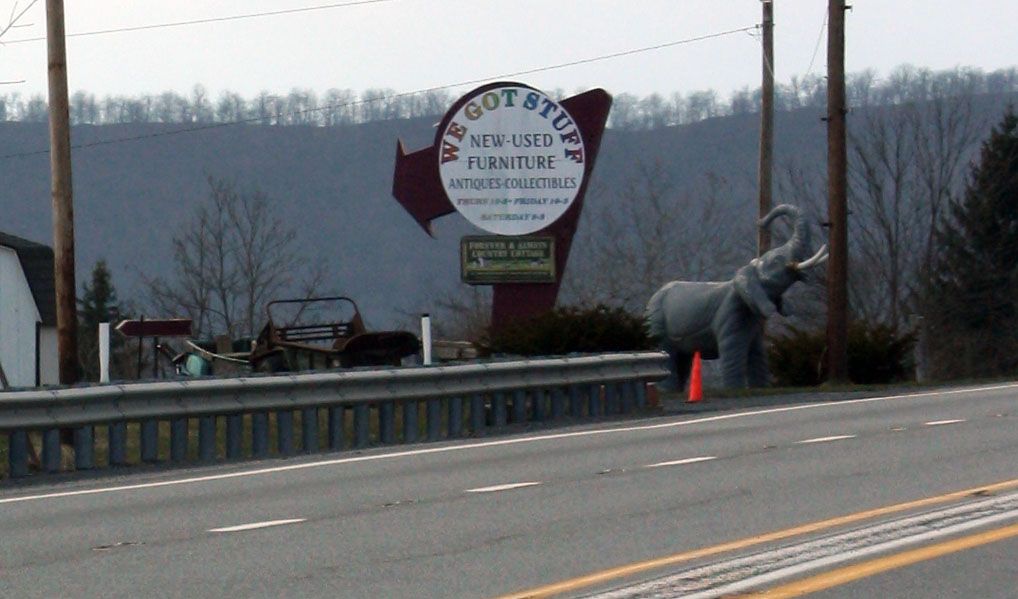
Here are a couple roadsigns I've been meaning to share. These are actually to the south of where I live. I really didn't notice the elephant when I took this picture because everything was grey and it just blended into the surroundings. Yeah, really. I'm not sure if We Got Stuff is still in use....
...but this hotel is not. You could buy it though, but I'm pretty sure it wouldn't be a great business venture because there's not much of anything out that way. I really like that the sign advertises the presence of color TV's and phones in the rooms. Then there's the bright yellow roof which is probably the only reason I noticed it.

There's also a place with some signs advertising a hotel further up the road, but the hotel sign and an empty lot are all that remain once you arrive.
And this last picture is in honor of my birthday weekend. I'm turning 30 on May 12th and don't have anything much planned to celebrate it. I thought this picture was pretty absurd...
 What I want for my birthday is for whatever viral illness I have to go away, and to find the presser foot screw for my sewing machine.The presser foot screw has earned the distinction of being the most annoying item that I've ever lost...And I've actually been to JoAnn Fabrics since it went missing, but it's so insignificant that I can't remember that I need to buy another....ugh
Other than that, I do have some random things to share with you today...
There's been some debate about gender and book covers happening in many places this week...It was all kicked off by Maureen Johnson on Twitter, and has resulted in Coverflip: Maureen Johnson Calls for an end to Gendered Book Covers with an Amazing Challenge (Images), and this The Most Incongruous Book Covers of All Time--those are especially odd to look at.
And today I watched this video about Gender in Advertising-- I love the reversed gender roles portion at the end, especially the Marlboro woman...
And to round out our gender extravaganza I'm including Paul Richmond's Cheesecake Boys and I'll throw in The Hawkeye Initiative for good measure.
Unrelated to gender, but related to book covers--
Good Show Sir--the worst in Science Fiction/Fantasy book covers
Here are a couple roadsigns I've been meaning to share. These are actually to the south of where I live. I really didn't notice the elephant when I took this picture because everything was grey and it just blended into the surroundings. Yeah, really. I'm not sure if We Got Stuff is still in use....
...but this hotel is not. You could buy it though, but I'm pretty sure it wouldn't be a great business venture because there's not much of anything out that way. I really like that the sign advertises the presence of color TV's and phones in the rooms. Then there's the bright yellow roof which is probably the only reason I noticed it.
There's also a place with some signs advertising a hotel further up the road, but the hotel sign and an empty lot are all that remain once you arrive.
And this last picture is in honor of my birthday weekend. I'm turning 30 on May 12th and don't have anything much planned to celebrate it. I thought this picture was pretty absurd...
Friday, April 26, 2013
Wednesday, April 17, 2013
Visiting the grave of F. Scott Fitzgerald by happenstance...
About a week and a half ago I went to Maryland, with the intent of going to DC and wandering around the area a little. In the interest in saving money we booked a hotel with Hotwire in North Bethesda. Well, it was actually in Rockville, MD. Cheap, but pretty nice hotel, and not too far from the metro. Good enough.
We headed into DC on Saturday afternoon, and got back to the hotel that night. As we waited for pizza to be delivered to the room, I flipped through the hotel-provided book, Rockville: Portrait of a city. I was expecting to read about shopping or restaurants, or something along those lines, but this was a book featuring a fair amount of History--being a big nerd, I was pleasantly surprised.
The first random page I looked at had an article mentioning that F. Scott Fitzgerald (author of The Great Gatsby if you've forgotten, or if you never had to read it in high school--also, the most recent movie incarnation of The Great Gatsby will be in theaters on May 10th, so it can be watched as well) was buried in Rockville, MD, of all places.
I read the article in more detail, thinking that his final resting place had to be somewhere more interesting and less suburbia/strip mall extravaganza, but no, he was buried in Rockville.
Interesting. I figured it would be a big fancy cemetery, and I hadn't seen any cemeteries really, well, there was a tiny one across from the Metro station. Right by a busy intersection. After a little searching on the GPS, I realized that the cemetery by the station, and the eternal resting place of both Zelda and F. Scott Fitzgerald were one and the same.
So, on Sunday morning, we visited the cemetery by Old St. Mary's Church.
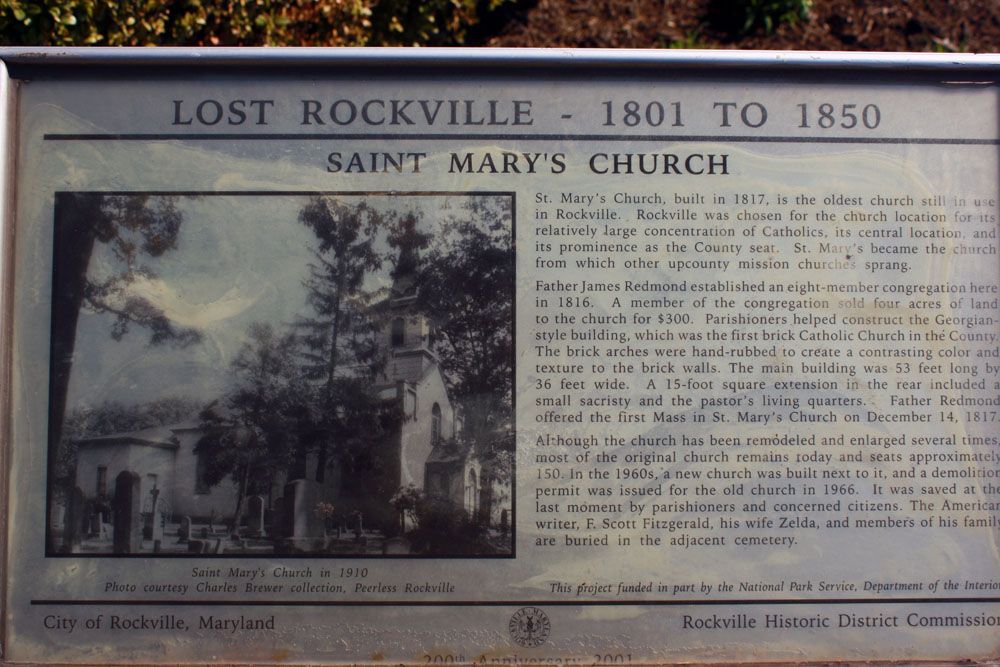
Here is the church itself, you should be able to click on any of these pictures so that you can see them better.

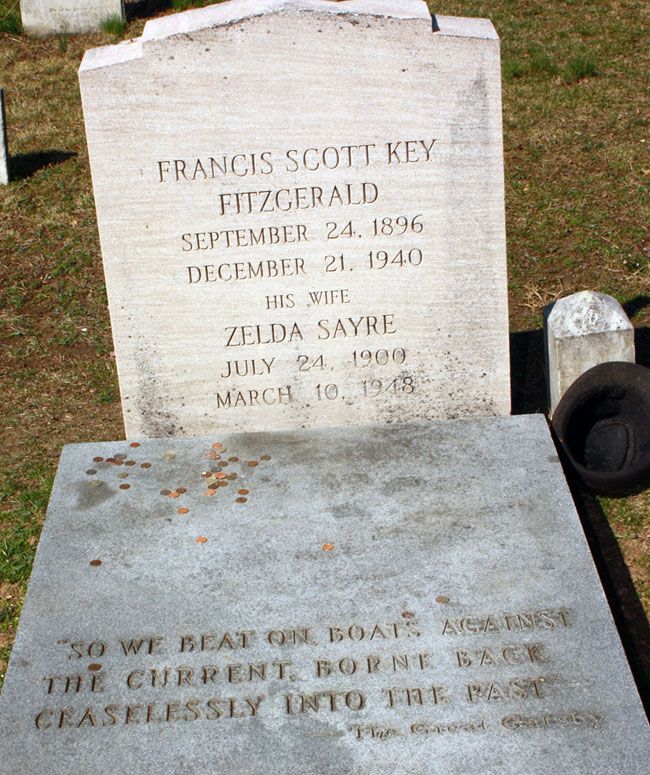
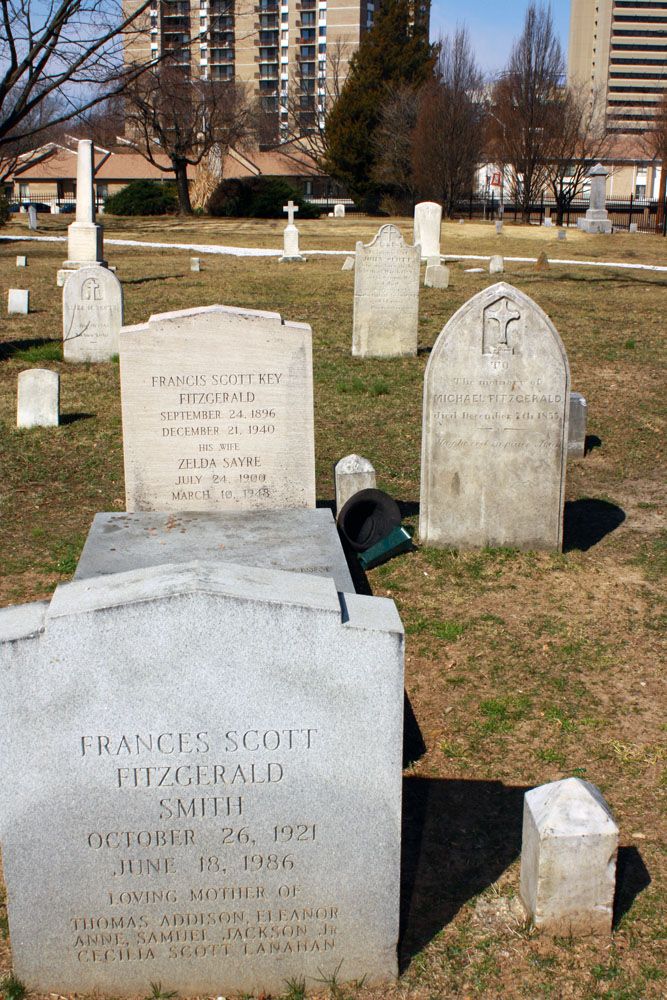
The church is right next to a newer and larger church...also St. Mary's, but I don't think they call it New St. Mary's...that would be odd. Anyway, the cemetery is tiny which made finding the grave that much easier. It was also the only grave with a headstone and a ledger stone. People leave coins and candles, and that hat off to the side had a martini-print on the band. Apparently some visitors leave gin...we plan to do that next time.
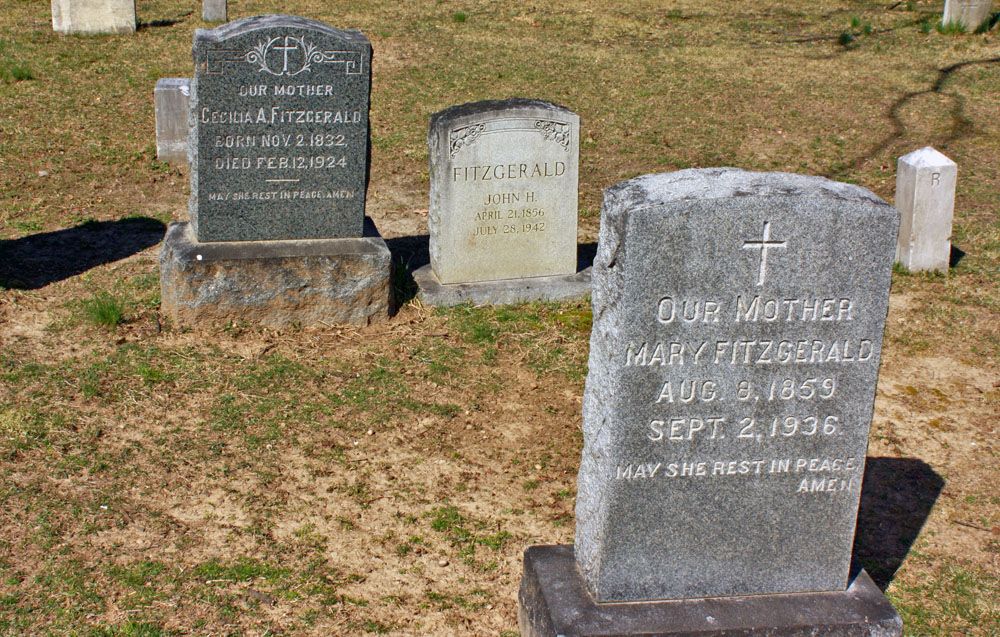
 Here are some other Fitzgeralds...


We headed into DC on Saturday afternoon, and got back to the hotel that night. As we waited for pizza to be delivered to the room, I flipped through the hotel-provided book, Rockville: Portrait of a city. I was expecting to read about shopping or restaurants, or something along those lines, but this was a book featuring a fair amount of History--being a big nerd, I was pleasantly surprised.
The first random page I looked at had an article mentioning that F. Scott Fitzgerald (author of The Great Gatsby if you've forgotten, or if you never had to read it in high school--also, the most recent movie incarnation of The Great Gatsby will be in theaters on May 10th, so it can be watched as well) was buried in Rockville, MD, of all places.
I read the article in more detail, thinking that his final resting place had to be somewhere more interesting and less suburbia/strip mall extravaganza, but no, he was buried in Rockville.
Interesting. I figured it would be a big fancy cemetery, and I hadn't seen any cemeteries really, well, there was a tiny one across from the Metro station. Right by a busy intersection. After a little searching on the GPS, I realized that the cemetery by the station, and the eternal resting place of both Zelda and F. Scott Fitzgerald were one and the same.
So, on Sunday morning, we visited the cemetery by Old St. Mary's Church.
Here is the church itself, you should be able to click on any of these pictures so that you can see them better.
The church is right next to a newer and larger church...also St. Mary's, but I don't think they call it New St. Mary's...that would be odd. Anyway, the cemetery is tiny which made finding the grave that much easier. It was also the only grave with a headstone and a ledger stone. People leave coins and candles, and that hat off to the side had a martini-print on the band. Apparently some visitors leave gin...we plan to do that next time.
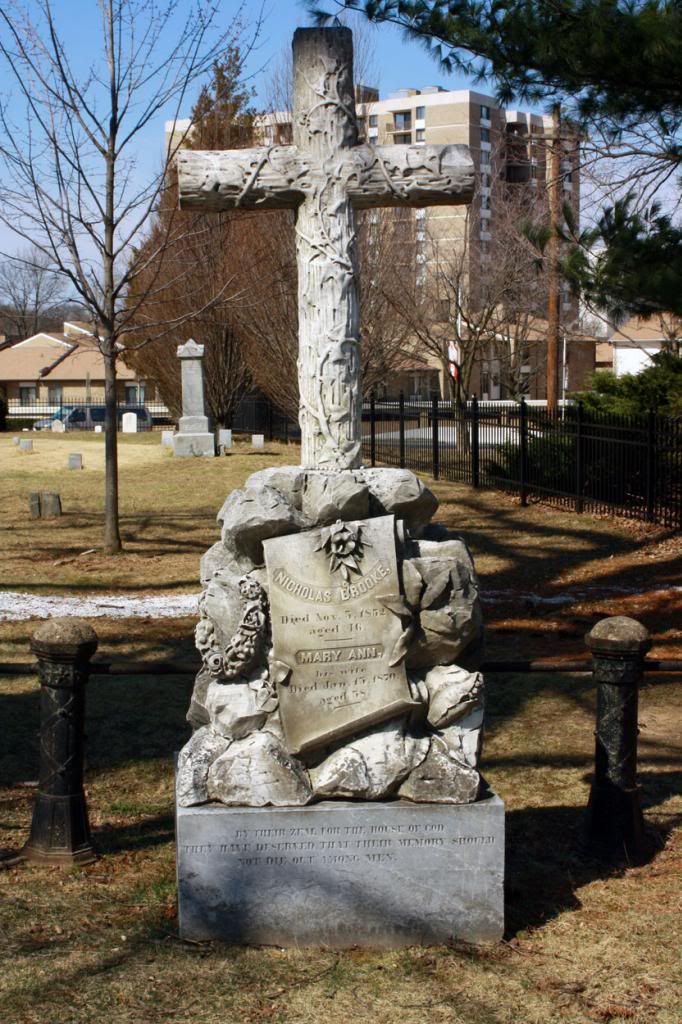
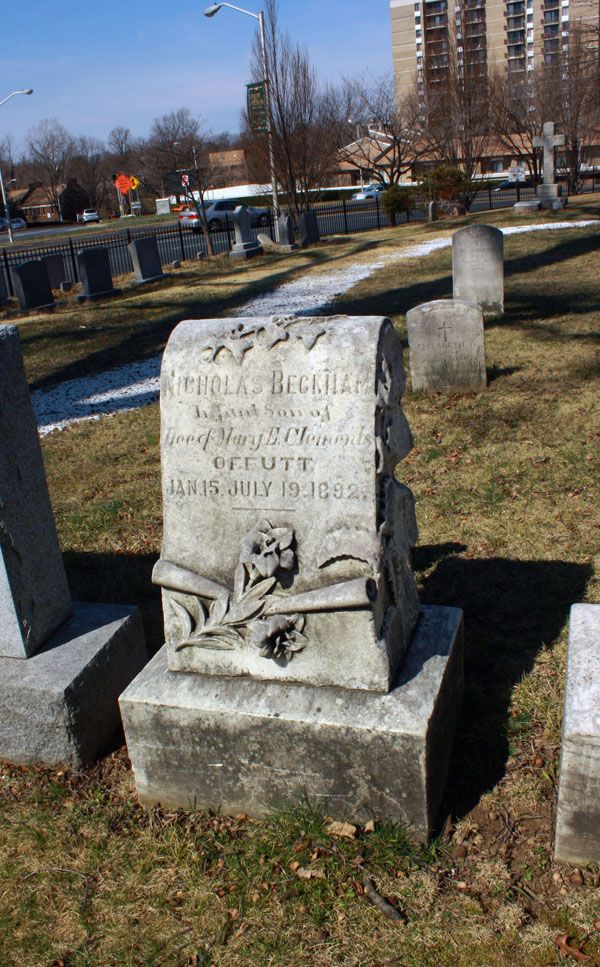
And we'll round out our visit to Old St. Mary's with pictures of some interesting grave markers. This cross was pretty impressive--and you can see how close the cemetery is to the road...
This stone had the cross broken off of the top, but it's nice to see that someone hasn't run off with it.
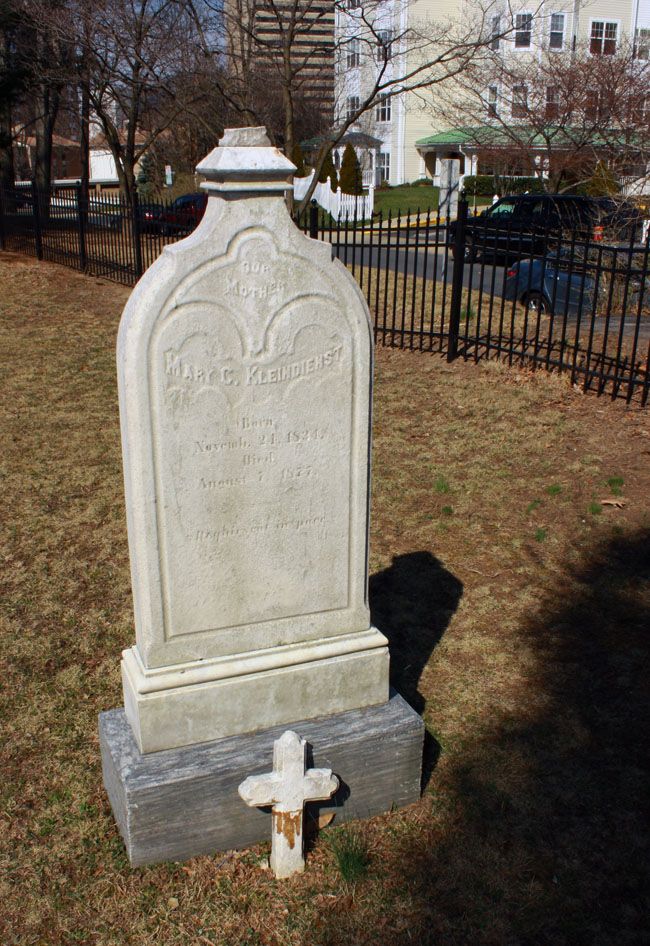
This one was beautiful and especially sad because it was marking the grave of an infant.
I think it's even more sad to see these other stones. The mother lost three children (the previously mentioned son aged almost 7 months, a daughter at 5 years old, and another son at 18 years old), while she lived to be almost 100.
And I leave you with the gates of heaven.
Thursday, May 17, 2012
Hop Against Homophobia: Giveaway, Iran, The Suicide Grove
Hi. Thanks for stopping by. I'm J. Lannan and it may not be the best time to host my first giveaway and be involved in a blog hop when my first m/m romance-type story won't be out until later this year-- I also have a job interview this morning, and will be out of town for a memorial service for a couple days-- but this is the time I have so I might as well use it.
May 17th is the International Day Against Homophobia and Transphobia and this blog is participating in the Hop Against Homophobia.Click on the picture in order to visit the other blogs involved.

Each blog is doing a giveaway of some sort and here is mine. Since I don't have any extra copies of magazines with my poetry and essays in them I am giving away some random LGBT swag. (Note: I'll probably find something else to add before the hop is over and will add that to the list, or just include it as a surprise)
One Pack of Meiji Hello Panda cookies--they're cute, strawberry-flavored and could be considered snacks that pair well with reading-related activities...
One Rainbow Wristband--I notice a 50% increase in flirting when I wear my rainbow wristband so it must be imbued with magical powers of some kind. (Blog owner not responsible if your wrist band does not have magical powers)
Two Badges--One has a hot dog in a raincoat with "always protect your weenie" printed on it, and the other says "Deal With It" in rainbow lettering
That list almost made me sound orderly...almost. So, in order to be entered to win my giveaway leave a comment on this post and include your e-mail address, or twitter info so I can contact you. When I get back in town on the 21st I'll randomly pick someone and send you a message to get your info.
Here are my two comments on homophobia since the blog hop tackles that issue. The first section discusses Iran's death penalty for homosexuality, and the second is a look at bullying and suicide through imagery I pulled from Dante Alighieri's Inferno. Intermission is exactly as it sounds.
Iran Executes Gay Men
I've been told that I have a gift for shining a different kind of light upon dark subjects, but as I write this I realize that I have trouble bringing my kind of light to a situation that is so horrific and extends far beyond the harassment, name-calling and rock-throwing that I've personally been on the receiving end of.
In college I majored in History and studied Iran's judicial system. It's a sad and corrupt system that often forces confessions via torture. I've always found myself drawn to the study of injustice because I have grand schemes about making the world a better place for everyone. I know that's a Miss America World Peace kind of statement, but it's true. One of the only things I kept around from being raised Catholic was the concept of do unto others as your would have done unto yourself, but even that is a pretty common sense concept.
Several years ago Mahmoud Ahmadinejad claimed that there were no gays in Iran. His American audience laughed. While his delusional nature may be amusing sometimes, the treatment of gays in Iran is no laughing matter. It may surprise you, or may not if you know the region, that consensual sex between men is punishable by death in Iran (and in other parts of the world). During my research I even watched an interrogation video in which a man had kidnapped another man to keep as a sex slave. One was obviously a victim (his teeth were bashed out), but when punishment was handed out both men were executed.
The Iranian judiciary just determined that four men will be executed for consensual sexual activities. The Jerusalem Post has that article.
In 2005 two gay teenagers were executed for the same crime.
These events are happening in this day and age, and I feel stranded on an island of inability because I can't do anything substantial about it other than pass the information along wherever I am able. So this is the information I give to you.
Intermission
Being a Historian left me with this empty feeling of inability. I've heard stories about Historians being epic alcoholics for this very reason--well, that, and no one listens to Historians and History repeats itself if left forgotten...it's a frustrating field. So, where does an angsty, detail-obsessed person who harbors a compelling case of nascent alcoholism turn? Yes, become a writer. It was so obvious.
I still write essays, but now I write other things as well because I want to explore topics instead of theories. Writing gives me a platform, and if you're going to stand on a platform you better have something that you want to say.
The Grove
As I've mentioned before, I was raised Catholic and you can probably guess where I'm going with this...or not. Where earning a History degree left me frustrated with my lack of ability to change History the conformity of Catholicism I attempted to force upon myself left me with a lack of identity. It took me a long time to figure myself out after being told that everything I did could send me to the hell fire. Catholics are a little more subtle than other denominations, but the hell fire is still there. And it can give you quite a sense of hopelessness to live in a constant state of internal and external scrutiny that is simply incompatible with what you feel is true about yourself and the world. I now bring you to the universal topic of bullying and suicide that plagues so many kids in the LGBT community as well as those kids who are just different. I was twelve when I first attempted suicide. I don't really want to discuss the why, or how, or what right now because they're not part of this story, but this next section is the story.
Due to my long-term intimate relationship with suicidal thoughts, the Catholic belief system, and my Italian heritage I took a morbid solace in Dante Alighieri's Inferno. In the middle ring of the 7th Circle of Hell the people who committed suicide exist as gnarled and bleeding thorn bushes that are terrorized by harpies. The suicidal will never regain their bodies after The Final Judgment, but will have their corpses hung from their thorn bushes. (I told you it was morbid) This is the imagery I always return to when thinking about suicide, but I think of it differently because my relationship with nature is stronger than my relationship with the concept of hell.
I invite you to walk with me through the grove of the suicides. At first I feel peace because there is the notion of a quiet comfort in death. The struggle is over, it's true, but that's it...death is the end. We can just keep walking, though. We're not staying. The trees are all thorns and scabs. It's a sign of obvious pain, and the trees now bleed when injured, but in life the pain is not as obvious as a twisted mass of bleeding thorn branches. The scabs reopen old wounds, and the thorns harm those who get too close. It is a desperate situation. Depression puts up barriers or causes people to lash out, but suicide creates a death with painful memories for those who longed to be closer to the victim. Each memory doesn't simply contain the sadness of loss, but also an added nuance of pain because they could not reach the victim.
To me the harpies represent the reasons and torments that lead people to take their own lives, but as you'll notice the harpies are alive and still active to continue their torment. And even trying to understand this torment assails those left behind. Schools do too little, people don't care enough, and pain goes unrecognized, but after another life is lost everyone looks back and points to incidents and people. What good does it do now? Maybe we can stop them from tormenting anyone else, but I think the most important approach is to teach love and compassion. I think people don't love enough.
I want you to know that if you've wandered through the grove of the suicides you should know that you're not alone even though the path seems empty when you're there.
Wow, that was more of a downer than I expected... and I wanted to end with some love.
Here's "Pure" by The Lightning Seeds
May 17th is the International Day Against Homophobia and Transphobia and this blog is participating in the Hop Against Homophobia.Click on the picture in order to visit the other blogs involved.
Each blog is doing a giveaway of some sort and here is mine. Since I don't have any extra copies of magazines with my poetry and essays in them I am giving away some random LGBT swag. (Note: I'll probably find something else to add before the hop is over and will add that to the list, or just include it as a surprise)
One Pack of Meiji Hello Panda cookies--they're cute, strawberry-flavored and could be considered snacks that pair well with reading-related activities...
One Rainbow Wristband--I notice a 50% increase in flirting when I wear my rainbow wristband so it must be imbued with magical powers of some kind. (Blog owner not responsible if your wrist band does not have magical powers)
Two Badges--One has a hot dog in a raincoat with "always protect your weenie" printed on it, and the other says "Deal With It" in rainbow lettering
That list almost made me sound orderly...almost. So, in order to be entered to win my giveaway leave a comment on this post and include your e-mail address, or twitter info so I can contact you. When I get back in town on the 21st I'll randomly pick someone and send you a message to get your info.
Here are my two comments on homophobia since the blog hop tackles that issue. The first section discusses Iran's death penalty for homosexuality, and the second is a look at bullying and suicide through imagery I pulled from Dante Alighieri's Inferno. Intermission is exactly as it sounds.
Iran Executes Gay Men
I've been told that I have a gift for shining a different kind of light upon dark subjects, but as I write this I realize that I have trouble bringing my kind of light to a situation that is so horrific and extends far beyond the harassment, name-calling and rock-throwing that I've personally been on the receiving end of.
In college I majored in History and studied Iran's judicial system. It's a sad and corrupt system that often forces confessions via torture. I've always found myself drawn to the study of injustice because I have grand schemes about making the world a better place for everyone. I know that's a Miss America World Peace kind of statement, but it's true. One of the only things I kept around from being raised Catholic was the concept of do unto others as your would have done unto yourself, but even that is a pretty common sense concept.
Several years ago Mahmoud Ahmadinejad claimed that there were no gays in Iran. His American audience laughed. While his delusional nature may be amusing sometimes, the treatment of gays in Iran is no laughing matter. It may surprise you, or may not if you know the region, that consensual sex between men is punishable by death in Iran (and in other parts of the world). During my research I even watched an interrogation video in which a man had kidnapped another man to keep as a sex slave. One was obviously a victim (his teeth were bashed out), but when punishment was handed out both men were executed.
The Iranian judiciary just determined that four men will be executed for consensual sexual activities. The Jerusalem Post has that article.
In 2005 two gay teenagers were executed for the same crime.
These events are happening in this day and age, and I feel stranded on an island of inability because I can't do anything substantial about it other than pass the information along wherever I am able. So this is the information I give to you.
Intermission
Being a Historian left me with this empty feeling of inability. I've heard stories about Historians being epic alcoholics for this very reason--well, that, and no one listens to Historians and History repeats itself if left forgotten...it's a frustrating field. So, where does an angsty, detail-obsessed person who harbors a compelling case of nascent alcoholism turn? Yes, become a writer. It was so obvious.
I still write essays, but now I write other things as well because I want to explore topics instead of theories. Writing gives me a platform, and if you're going to stand on a platform you better have something that you want to say.
The Grove
As I've mentioned before, I was raised Catholic and you can probably guess where I'm going with this...or not. Where earning a History degree left me frustrated with my lack of ability to change History the conformity of Catholicism I attempted to force upon myself left me with a lack of identity. It took me a long time to figure myself out after being told that everything I did could send me to the hell fire. Catholics are a little more subtle than other denominations, but the hell fire is still there. And it can give you quite a sense of hopelessness to live in a constant state of internal and external scrutiny that is simply incompatible with what you feel is true about yourself and the world. I now bring you to the universal topic of bullying and suicide that plagues so many kids in the LGBT community as well as those kids who are just different. I was twelve when I first attempted suicide. I don't really want to discuss the why, or how, or what right now because they're not part of this story, but this next section is the story.
Due to my long-term intimate relationship with suicidal thoughts, the Catholic belief system, and my Italian heritage I took a morbid solace in Dante Alighieri's Inferno. In the middle ring of the 7th Circle of Hell the people who committed suicide exist as gnarled and bleeding thorn bushes that are terrorized by harpies. The suicidal will never regain their bodies after The Final Judgment, but will have their corpses hung from their thorn bushes. (I told you it was morbid) This is the imagery I always return to when thinking about suicide, but I think of it differently because my relationship with nature is stronger than my relationship with the concept of hell.
I invite you to walk with me through the grove of the suicides. At first I feel peace because there is the notion of a quiet comfort in death. The struggle is over, it's true, but that's it...death is the end. We can just keep walking, though. We're not staying. The trees are all thorns and scabs. It's a sign of obvious pain, and the trees now bleed when injured, but in life the pain is not as obvious as a twisted mass of bleeding thorn branches. The scabs reopen old wounds, and the thorns harm those who get too close. It is a desperate situation. Depression puts up barriers or causes people to lash out, but suicide creates a death with painful memories for those who longed to be closer to the victim. Each memory doesn't simply contain the sadness of loss, but also an added nuance of pain because they could not reach the victim.
To me the harpies represent the reasons and torments that lead people to take their own lives, but as you'll notice the harpies are alive and still active to continue their torment. And even trying to understand this torment assails those left behind. Schools do too little, people don't care enough, and pain goes unrecognized, but after another life is lost everyone looks back and points to incidents and people. What good does it do now? Maybe we can stop them from tormenting anyone else, but I think the most important approach is to teach love and compassion. I think people don't love enough.
I want you to know that if you've wandered through the grove of the suicides you should know that you're not alone even though the path seems empty when you're there.
Wow, that was more of a downer than I expected... and I wanted to end with some love.
Friday, February 3, 2012
Dr. Jekyll, Mr. Hyde and the Victorian Class Perception Extravaganza
I lied...there is no extravaganza here, but there is an essay on Victorian class perception as viewed through Literature so just try to enjoy it. Last year I took a class that covered Victorian Gothic novels and this is one of my essays from that class. Disregard page numbers and acquire a copy of The Strange Case of Dr. Jekyll and Mr. Hyde online if you are interested. I don't remember the edition that the following page numbers are from.
Also, I've been reading On Writing Horror: A Handbook by the Horror Writer's Association and this has made me think about taking old horror-inducing scenarios and reinventing them. Horror is basically a building of anxieties and the Victorian middle class had a lot of anxiety about defining itself into a position in proper society. Basically through defining the classes by strict stratification Victorians felt that they could look at someone and judge their character, mental health, and sexual proclivities upon sight. Before the emergence of the middle class the main concern in England was nobility vs not nobility, but since that new middle class didn't have pedigrees they inscribed identity in the human body and outward expression itself to know who properly belonged to the middle class.
You'd be naive to think that these snap judgments don't exist in the real world on such a scale in this progressive year...or maybe you just aren't strange-looking enough to have experienced it first-hand. I'm of the belief that the Victorian era wrapped its bony white-gloved hands firmly around society and has refused to let go since its inception.

see more Historic LOL
Or maybe that was tentacles that it wrapped around society... Anyway, there are a lot of attempts to get people to stop judging others by how they look. In fact you should check out the movie Tucker and Dale vs Evil to see this concept, along with a lot of slasher movie staples, really twisted about.
Onward to the academic paper:
"Class Portrayal and Societal Anxiety in The Strange Case of Dr. Jekyll and Mr. Hyde"
by J.Lannan
In Late Victorian Gothic novels interest was given to the theme of degeneration of society and character. This theme played out in a variety of ways, but in “Dr. Jekyll and Mr. Hyde” the theme was most curiously portrayed through an upper class anxiety directed towards the lower classes. This anxiety comes to a point in the chapter entitled, “The Carew Murder Case,” where Mr. Edward Hyde carries out a vicious unprovoked attack on Sir Danvers Carew. Hyde’s disregard for what is proper behavior, unprovoked violence and the ways in which Hyde is described when compared to other characters are all representative of Victorian society’s distrust and fear of the lower class, along with a general discomfort in the loss of order and proper behavior in society.
The maid who viewed the attack from her window described Mr. Carew and Hyde in different styles. While describing Carew she focused on him as “. . .an aged beautiful gentleman with white hair. . .” (59). This attention to detail in Carew’s style and mannerisms indicates that the maid paid more attention to him because he appeared to be of some status. Hyde is often described as small, and less noticeable, but when they do notice him they generally dislike him. The maid relays to the police officer that the attacker is ‘Particularly small and particularly wicked-looking. . .’ (61)
Hyde challenged the ideals of Victorian society with his general bad manners and poor disposition, even before he turned to unrestrained violence. Upon Hyde’s exchange in the street before the attack he is rude, impatient and angry. The maid described Carew’s manners as “innocent an old-world kindness of disposition, yet with something high too, as of a well-founded self-content.”(60) Earlier in this passage it is implied that Carew made a request of Hyde, possibly asking for directions, and Hyde reacted in a fit of anger and unrestrained rage. Hyde is described as an animal at times, and is often depicted as ape-like in behavior, for example, “with ape-like fury. he was trampling his victim under foot and hailing down a storm of blows. . .”(60)
The violence of Hyde towards Carew is an attack on the upper class and upon the constructs of society. The murder is especially horrifying in its unprovoked nature and in the irrationality of the act. It was a violent act brought on by rage and nothing more. The crime was not a robbery, which at least would offer some explanation, but everything of value was left on Carew’s body; “A purse and a gold watch were found upon the victim. . . .”(61) This crime was also not about revenge of any sort, which could provide some sort of rationale for the bludgeoning.
Crime itself is representative of a less civilized society, and these were precisely the dregs that Victorian properness attempted to hide. This murder scene is a representation of an interaction of a lower class character with an upper class character where the lower class person is in a non-servile position. The maids and butlers of the story are all providing a service to their employers, while Hyde is his own man. Dr. Jekyll has provided Hyde, and himself as he is Hyde, with money and opportunity to roam unrestrained by polite society. Dr. Jekyll cannot indulge in rude, violent or self-gratifying behaviors as himself, so becoming Hyde allows him to explore these urges that challenge society and every construct that he would typically be held to because he was a member of the upper class. Hyde has a lot of freedom and unrestrained emotional energy and this freedom from society and proper behavior translated into violence and disregard for the world.
Hyde is free from the restraints of polite society and is not represented in a servile position except for when he runs errands for his alter ego, Dr. Jekyll. The representation of Hyde as a lower class man who is not restricted by proper behavior and not serving the upper class can create a certain anxiety in the wealthy characters because they do not have control over him. Hyde’s rudeness and violence show a general disregard for everything that upper class Victorians held dear in the constructed society and bonds of properness that the society enforced. The lower class did not care as much for these mannerisms and were not as compelled to hold to the etiquette of upper society.
Also, I've been reading On Writing Horror: A Handbook by the Horror Writer's Association and this has made me think about taking old horror-inducing scenarios and reinventing them. Horror is basically a building of anxieties and the Victorian middle class had a lot of anxiety about defining itself into a position in proper society. Basically through defining the classes by strict stratification Victorians felt that they could look at someone and judge their character, mental health, and sexual proclivities upon sight. Before the emergence of the middle class the main concern in England was nobility vs not nobility, but since that new middle class didn't have pedigrees they inscribed identity in the human body and outward expression itself to know who properly belonged to the middle class.
You'd be naive to think that these snap judgments don't exist in the real world on such a scale in this progressive year...or maybe you just aren't strange-looking enough to have experienced it first-hand. I'm of the belief that the Victorian era wrapped its bony white-gloved hands firmly around society and has refused to let go since its inception.
see more Historic LOL
Onward to the academic paper:
"Class Portrayal and Societal Anxiety in The Strange Case of Dr. Jekyll and Mr. Hyde"
by J.Lannan
In Late Victorian Gothic novels interest was given to the theme of degeneration of society and character. This theme played out in a variety of ways, but in “Dr. Jekyll and Mr. Hyde” the theme was most curiously portrayed through an upper class anxiety directed towards the lower classes. This anxiety comes to a point in the chapter entitled, “The Carew Murder Case,” where Mr. Edward Hyde carries out a vicious unprovoked attack on Sir Danvers Carew. Hyde’s disregard for what is proper behavior, unprovoked violence and the ways in which Hyde is described when compared to other characters are all representative of Victorian society’s distrust and fear of the lower class, along with a general discomfort in the loss of order and proper behavior in society.
The maid who viewed the attack from her window described Mr. Carew and Hyde in different styles. While describing Carew she focused on him as “. . .an aged beautiful gentleman with white hair. . .” (59). This attention to detail in Carew’s style and mannerisms indicates that the maid paid more attention to him because he appeared to be of some status. Hyde is often described as small, and less noticeable, but when they do notice him they generally dislike him. The maid relays to the police officer that the attacker is ‘Particularly small and particularly wicked-looking. . .’ (61)
Hyde challenged the ideals of Victorian society with his general bad manners and poor disposition, even before he turned to unrestrained violence. Upon Hyde’s exchange in the street before the attack he is rude, impatient and angry. The maid described Carew’s manners as “innocent an old-world kindness of disposition, yet with something high too, as of a well-founded self-content.”(60) Earlier in this passage it is implied that Carew made a request of Hyde, possibly asking for directions, and Hyde reacted in a fit of anger and unrestrained rage. Hyde is described as an animal at times, and is often depicted as ape-like in behavior, for example, “with ape-like fury. he was trampling his victim under foot and hailing down a storm of blows. . .”(60)
The violence of Hyde towards Carew is an attack on the upper class and upon the constructs of society. The murder is especially horrifying in its unprovoked nature and in the irrationality of the act. It was a violent act brought on by rage and nothing more. The crime was not a robbery, which at least would offer some explanation, but everything of value was left on Carew’s body; “A purse and a gold watch were found upon the victim. . . .”(61) This crime was also not about revenge of any sort, which could provide some sort of rationale for the bludgeoning.
Crime itself is representative of a less civilized society, and these were precisely the dregs that Victorian properness attempted to hide. This murder scene is a representation of an interaction of a lower class character with an upper class character where the lower class person is in a non-servile position. The maids and butlers of the story are all providing a service to their employers, while Hyde is his own man. Dr. Jekyll has provided Hyde, and himself as he is Hyde, with money and opportunity to roam unrestrained by polite society. Dr. Jekyll cannot indulge in rude, violent or self-gratifying behaviors as himself, so becoming Hyde allows him to explore these urges that challenge society and every construct that he would typically be held to because he was a member of the upper class. Hyde has a lot of freedom and unrestrained emotional energy and this freedom from society and proper behavior translated into violence and disregard for the world.
Hyde is free from the restraints of polite society and is not represented in a servile position except for when he runs errands for his alter ego, Dr. Jekyll. The representation of Hyde as a lower class man who is not restricted by proper behavior and not serving the upper class can create a certain anxiety in the wealthy characters because they do not have control over him. Hyde’s rudeness and violence show a general disregard for everything that upper class Victorians held dear in the constructed society and bonds of properness that the society enforced. The lower class did not care as much for these mannerisms and were not as compelled to hold to the etiquette of upper society.
Thursday, January 19, 2012
These are a few of my favorite words: Simulacra
Simulacrum (pl, simulacra): Likeness, or similarity.
So, I leave you with a song by Marilyn Manson. This particular song is "Ka-boom Ka-boom" from The Golden Age of Grotesque which is a musical interpretation of the historic debauchery of the Wiemar Republic. I particularly like the line "I am a big car and I'm a strip bar. You call it fake, I call it 'good as it gets.' Nothing in this world in for real ..." it has Disney references as well.
And since I've written about Simulacra you can expect me to apply this concept to other posts in the future...Steampunk, I'm thinking of you in particular.
From The Blackwell Guide to Literary Theory simulacra,simulation is defined as, "Associated with the work of Jean Baudrillard, these terms refer to the idea that "signs of the real" substitute for reality. The "orders of simulation" extend from simple mimetic copies (i.e., exact representations of an external referent) to copies that have no referent at all, that create the illusion of reference and, thus, of reality." (from page 322 of the copy I have)
In John Barth's The Literature of Exhaustion the main message is that literary topics and devices are so used up that there's nothing original to write about so writers must rehash old ideas in order to make something new. This may be discouraging at first, but it provides a concept itself that can create some interesting ideas as well. I'm just adding this because I like Post-Modern stories and this also goes along with simulacra.
Well, this is just Post-Modern Literary theory at this point so what does it matter to me?
I'm glad you asked because the more you look around the more you should realize how much of the world as it is now is part of simulacra. The easiest place to find simulacra in a natural environment would be those shopping centers that often spell shop as "shoppe" for old timey effect. These shoppes are usually strip malls or collections of big boxes all in one general location, but sometimes the facades are manufactured to make the businesses look a little old-fashioned.
Lifestyle Centers are the next step in this evolution where upscale shopping centers have developed a place to spend your money in a location made to feel like you're shopping in an old (possibly European, definitely "fashionable") city where you'd walk from shop to shop and the buildings are obviously much older...but in these cases you're really in a manufactured experience that was built specifically for that effect of deception. The buildings are new, but look historic or quaint on the outside--they look like any other mall-based boutique on the inside-- and there's the park-like atmosphere of brick walk-ways and fountains and small garden areas and it's different than shopping in a real old city because, well, the authentically old places were not planned in the way in which a Lifestyle Center was planned. The old cities that these shopping experiences were based on were built up prior to cars, they were kind of utilitarian in the nature of planning, and the design of the buildings were generally fit for that time period.
So, what we have now are shopping centers with conveniently-located stores, (and parking garages nearby) with layouts based on updating older shopping mall designs into a design based on an interpretation of how old storefronts were before there were malls to organize shopping for the purpose of convenience,(also with market research and planning), but exterior designs based on the aesthetic of historic buildings which are pretty awesome to look at (architecture nerd). Then there's the functionality of modern retail-oriented interior layouts paired with the manufactured atmosphere outside provided by a simulation of a park in which they even have speakers piping in classical music and effective lighting solutions to make sure it's all safe, and a cleaning crew comes in and...well you see where I'm going, it's a real place, but it's not authentic...
Is the simulation better than the original?
Shopping centers that provide a manufactured atmosphere are one thing, but one of my favorite places to visit for simulacra is Disney's Epcot theme park (Magic Kingdom, and just about any theme park, would also be good for this). Go to space, play with sciency things (not simulacra exactly, but it's fun), then just walk around the pond and visit a number of countries without ever boarding a plane. Walk from China to England to Morocco like it ain't no thang. Yeah, I said it.
Pay for the park ticket and you can experience a general feel of what a typical tourist might want to see, all in a shrunk down and extremely confined space as far as the size of countries would go. It's like a cultural hors d'oeuvres tray. You can even move between night and day in some parts--the Mexico exhibit has a fantastic star-lit sky over one of their indoor restaurant areas, there's also a "river," desert scenery and a cool evening breeze courtesy of the HVAC system. It's all fake, though...well, some of it's pretty real like the food and trinkets and the line at the French pastry shop, but the experience is falsified and processed. It's cleaned up...I don't even think you're supposed to spit on the ground at any of the Disney parks, but outside in the real world there are different things, ugly things.
Countries have their own experiences, drama, and history, good and bad...you're not going to see a ride called "Experience The Great War" in the England and France portions of the park (also no cartel wars in Disney's version of Mexico), but you will find a a park where a group of Beatles impersonators play every couple hours. Really, how cool is that? They sound convincing enough and all those dudes are, you know, alive and on speaking terms. Also, the version of China that you get is old China, not the modern Post-Communist Revolution China we actually have in the world... but Orientalism is a word for another day.
So, what we get at Epcot is all the adorableness of ethnicity without the drama of political conflicts, and the best authenticity that research can provide of a created world that was made safe for mass consumption of an ideal. Disney has looked at everything that represents a country and decided what is intended to create this "authentic" experience of another culture at their park. (note, England, England)
If all we experience is Disney's version of the world do we know the authentic? Do we even want to look for it if we've already been given the "perfect" version? It is easier to think about Germany as one big Biergarten with Oompah bands (okay, well maybe no Oompah bands if you find them to be painful), rather than let the specter of Hitler ruin everything.
What is authentic and does it matter?
I can't really answer this because I believe that the experience you have is what makes the world authentic to you. You should just be aware that when you go to Epcot you're seeing a version of the world like it's written in a one-page tourist guide. It wants you to go there, it's kind of superficial, but it can still be fun. It's by no means a "real" experience of the countries represented, but you can have an authentic experience of Epcot, but not of China through Epcot for example... no matter how good their research is.
These locations are planned, but experience should be felt and reacted to as you encounter it. What's the point of faking an experience? Or faking an emotion for that matter?
So, I leave you with a song by Marilyn Manson. This particular song is "Ka-boom Ka-boom" from The Golden Age of Grotesque which is a musical interpretation of the historic debauchery of the Wiemar Republic. I particularly like the line "I am a big car and I'm a strip bar. You call it fake, I call it 'good as it gets.' Nothing in this world in for real ..." it has Disney references as well.
And since I've written about Simulacra you can expect me to apply this concept to other posts in the future...Steampunk, I'm thinking of you in particular.
Sunday, June 26, 2011
Essay:The Unlikelihood of Murder in “The Tell-Tale Heart”
This is a paper I wrote for ENG 250 at Ohio University this past Spring Quarter. I wanted to post it for some friends to read and have no intention of researching this further. The page numbers go to a collection of Poe's works that I have, but you can ignore the numbers and just know that it all cites passages from Poe's short story "The Tell-Tale Heart," and nothing more. Plagiarism is bad and naughty and I'd prefer that people not steal my shit, but that's the risk you run when posting online...and it's not like webpages I used to write for don't have the option of profiting from selling old articles that I wrote for them. Always read the fine print, kids.
The spaces between paragraphs don't mean different sections, but do differentiate between paragraphs...obviously.
The Unlikelihood of Murder in “The Tell-Tale Heart”
The narrator in “The Tell-Tale Heart” is unreliable at best and more curiously possibly not doing any of the actions that he discusses. Using the Psychoanalysis approach and details within the story a reading of the text can be provided that not only discredits the narrator’s version of the story, but questions the truth of the murder that appears to haunt him. Looking at lines within the text the murder of the old man can be read as a work of an over-active imagination, or a dream, in the mind of a caretaker driven mad by the silence and isolation of being alone in a large house for an extended period of time.
The narrator repeatedly draws attention to the idea of madness. He mentions heightened senses multiple times, but mostly focuses on his hearing abilities being elevated. If he has been alone in the house while the old man is away in the country then the silence could appear to deepen over time and improve his hearing when he is alone. This degree of quiet and solitude could be the cause of his madness. During the story he alternates between being nervous and being calm. For example: “. . .very, very dreadfully nervous I had been and am. . .” (317), “how calmly I can tell you the whole story.” (317), and “I have told you that I am nervous: so I am.”(319) Just this alternating between calm and nerves can paint him as being unreliable when telling the story.
During the actual act of the murder several items do not quite make sense. “I dragged him to the floor, and pulled the heavy bed over him.”(319): this is the only physical act of the murder in this scene and it appears more of an inconvenience rather than a murder weapon. A bed heavy enough to kill someone is probably not light enough for one man to pull over the other person even if they are elderly. The nature of the old man’s murder is called into question because the parallel between the narrator and old man is brought forward. Before the murder the narrator claims that he and the old man both wait unmoving for an hour after being startled by the lantern. These movements are parallel and the narrator begins to project his own fears upon what he believes is the old man, “His fears had been ever since growing upon him. He had been trying to fancy them causeless, but could not.” This quotation also projects the narrator’s descent into madness as something that increased over time, and can make his representation of the events possible inaccurate.
The investigators states that “A shriek had been heard by a neighbor during the night. . .”(320) to which the narrator responds “The shriek, I said, was my own in a dream. The old man, I mentioned, was absent in the country.”(320) In this section he reveals that he may have been dreaming and the old man may be away. To put an action with what the narrator’s possible dream and what the neighbors heard to the sequence of events that he believes led to the murder of the old man, “With a loud yell, I threw open the lantern and leaped into the room.” (319) Using these three quotes the reality of the events around what the narrator believes happened involving the old man is drawn into question. Since this raises so many questions another question can be brought in as to why he appears to encourage the investigators to stay and talk, especially in the room where he believes the murder happened. Perhaps if this all happened in a dream triggered by his madness of silence then perhaps he desires the officers to stay and talk to fill the silence, but also to show that nothing is wrong with the room. He cannot cope with what he believes he has done and the content of the dream makes him nervous as the heartbeat sound returns.
While talking to the officers in the last two paragraphs the narrator takes notice of the heart-like noise. He discusses the acts of gasping for breath, talking quickly, pacing, swearing, raving and then moving his chair around. His obviously agitated state as he describes hearing the sound is not noticed by the officers. In this reading it is possible that the sound is only in his head, being his own heartbeat, and the increase in volume coincides with him becoming more physically agitated--thus increasing the noise—or by him imagining the ranting and raving within his own head. If he is carrying out these nervous behaviors and the officers pay no mind to it, then there is something amiss with their observational skills and they should not be on any police force. But, more likely, the narrator is raging within his own head, as the panic increases, so does his pulse and the increase in audibility of his own heartbeat. This is why the officers do not hear it.
Between the shifting moods, heightened sense and oddly paralleled events within the narrative the actual act of murder can be called into question. The only truth in the narrator’s account may be that the old man was away in the country, the narrator is alone in the house for an extended period of time which causes him to have heightened senses and the scream that the neighbors heard was that of the narrator shrieking during a dream in which he killed the old man, or screamed while fantasizing about killing an old man who was not there. While looking at details of the narrative and the psychological state of the narrator the larger story as relayed by him can be called into question.
The spaces between paragraphs don't mean different sections, but do differentiate between paragraphs...obviously.
The narrator in “The Tell-Tale Heart” is unreliable at best and more curiously possibly not doing any of the actions that he discusses. Using the Psychoanalysis approach and details within the story a reading of the text can be provided that not only discredits the narrator’s version of the story, but questions the truth of the murder that appears to haunt him. Looking at lines within the text the murder of the old man can be read as a work of an over-active imagination, or a dream, in the mind of a caretaker driven mad by the silence and isolation of being alone in a large house for an extended period of time.
The narrator repeatedly draws attention to the idea of madness. He mentions heightened senses multiple times, but mostly focuses on his hearing abilities being elevated. If he has been alone in the house while the old man is away in the country then the silence could appear to deepen over time and improve his hearing when he is alone. This degree of quiet and solitude could be the cause of his madness. During the story he alternates between being nervous and being calm. For example: “. . .very, very dreadfully nervous I had been and am. . .” (317), “how calmly I can tell you the whole story.” (317), and “I have told you that I am nervous: so I am.”(319) Just this alternating between calm and nerves can paint him as being unreliable when telling the story.
During the actual act of the murder several items do not quite make sense. “I dragged him to the floor, and pulled the heavy bed over him.”(319): this is the only physical act of the murder in this scene and it appears more of an inconvenience rather than a murder weapon. A bed heavy enough to kill someone is probably not light enough for one man to pull over the other person even if they are elderly. The nature of the old man’s murder is called into question because the parallel between the narrator and old man is brought forward. Before the murder the narrator claims that he and the old man both wait unmoving for an hour after being startled by the lantern. These movements are parallel and the narrator begins to project his own fears upon what he believes is the old man, “His fears had been ever since growing upon him. He had been trying to fancy them causeless, but could not.” This quotation also projects the narrator’s descent into madness as something that increased over time, and can make his representation of the events possible inaccurate.
The investigators states that “A shriek had been heard by a neighbor during the night. . .”(320) to which the narrator responds “The shriek, I said, was my own in a dream. The old man, I mentioned, was absent in the country.”(320) In this section he reveals that he may have been dreaming and the old man may be away. To put an action with what the narrator’s possible dream and what the neighbors heard to the sequence of events that he believes led to the murder of the old man, “With a loud yell, I threw open the lantern and leaped into the room.” (319) Using these three quotes the reality of the events around what the narrator believes happened involving the old man is drawn into question. Since this raises so many questions another question can be brought in as to why he appears to encourage the investigators to stay and talk, especially in the room where he believes the murder happened. Perhaps if this all happened in a dream triggered by his madness of silence then perhaps he desires the officers to stay and talk to fill the silence, but also to show that nothing is wrong with the room. He cannot cope with what he believes he has done and the content of the dream makes him nervous as the heartbeat sound returns.
While talking to the officers in the last two paragraphs the narrator takes notice of the heart-like noise. He discusses the acts of gasping for breath, talking quickly, pacing, swearing, raving and then moving his chair around. His obviously agitated state as he describes hearing the sound is not noticed by the officers. In this reading it is possible that the sound is only in his head, being his own heartbeat, and the increase in volume coincides with him becoming more physically agitated--thus increasing the noise—or by him imagining the ranting and raving within his own head. If he is carrying out these nervous behaviors and the officers pay no mind to it, then there is something amiss with their observational skills and they should not be on any police force. But, more likely, the narrator is raging within his own head, as the panic increases, so does his pulse and the increase in audibility of his own heartbeat. This is why the officers do not hear it.
Between the shifting moods, heightened sense and oddly paralleled events within the narrative the actual act of murder can be called into question. The only truth in the narrator’s account may be that the old man was away in the country, the narrator is alone in the house for an extended period of time which causes him to have heightened senses and the scream that the neighbors heard was that of the narrator shrieking during a dream in which he killed the old man, or screamed while fantasizing about killing an old man who was not there. While looking at details of the narrative and the psychological state of the narrator the larger story as relayed by him can be called into question.
Subscribe to:
Posts (Atom)